Privacy and security guides: choose the right tool
Use this privacy and security guide collection to compare VPNs, Tor, secure operating systems, and public IP checks while keeping their roles distinct.
Harllens George | 2026-07-13
Privacy tools solve different problems. A VPN changes the network route between your device and the internet. Tor sends traffic through a volunteer network with a different anonymity model. Tails and GrapheneOS change the operating environment. A public IP checker shows what the current web request exposes.
This collection explains those boundaries before recommending a product or setup.
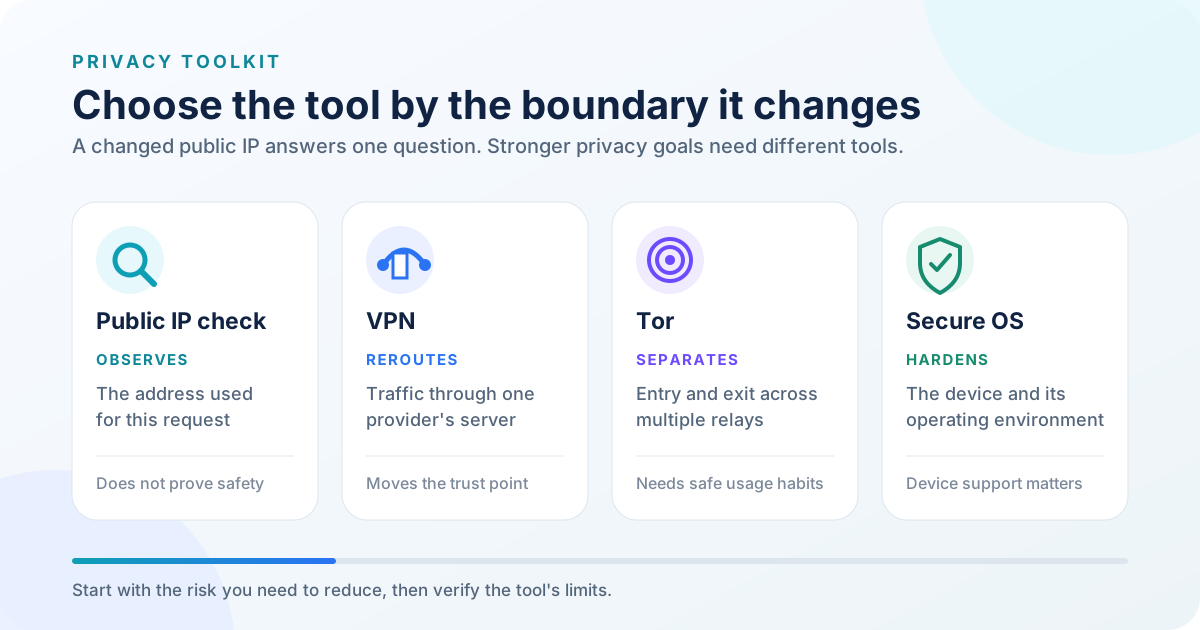
Each tool changes a different boundary. Match the tool to the risk, then verify what remains visible.
Commercial disclosure: The owner has used Proton for years and participates in the Proton Partners Program. The Proton provider guide contains one clearly marked affiliate link; this neutral collection does not. Proton did not control these guides. Long-term use provides practical context, not independent proof of every product claim.
Start with your actual problem
Use the narrowest tool that addresses the risk you care about.
| Your question | Start with |
|---|---|
| What public IP does a website see? | My IP Address |
| What changes when I connect to a VPN? | What a VPN changes about your public IP |
| Is Proton VPN a reasonable fit for me? | Proton VPN explained |
| Do I need anonymity against a stronger observer? | Read the Tor Project's threat-model guidance before choosing a tool |
| Do I need a separate or hardened operating environment? | Review Tails or GrapheneOS documentation for your device and use case |
Public IP checks
A public IP checker answers one limited question: which IP address reached the service for this request? It can also show network-derived details such as the IP version and approximate location when reliable data is available.
The result cannot prove that a VPN, proxy, or Tor connection is safe. It does not inspect the provider's logging, application settings, DNS path, browser identifiers, account sessions, or traffic outside the browser.
That boundary matters. A changed address confirms a changed observed route. It does not confirm anonymity.
VPNs
A VPN app normally creates an encrypted tunnel from your device to a VPN server. Websites then see the VPN server's public IP for traffic that uses the tunnel. Your internet provider can still see that your connection reaches a VPN server, but the VPN provider becomes an important trust point for routed traffic.
A VPN can help on untrusted networks, reduce direct IP exposure to websites, and give you a consistent exit location. It cannot remove cookies, stop account-based tracking, repair an infected device, or make false identity claims safe.
Read what a VPN changes about your public IP before comparing providers.
Tor
Tor uses multiple relays and separates the entry into the network from the exit to the destination. That design serves a different purpose from a conventional single-provider VPN. Tor Browser also changes browser behavior to reduce some forms of tracking.
Start with the Tor Project support documentation and its safety guidance. Tor has limits, and changing browser settings or mixing identities can weaken the protection you expected.
Secure operating environments
Tails is a portable operating system designed to route internet traffic through Tor and leave minimal traces on the computer by default. GrapheneOS is a security- and privacy-focused mobile operating system for supported devices. Neither product is a replacement for understanding the accounts, networks, and services you use.
Nym also approaches privacy through a different network design. We will publish a dedicated guide only after reviewing its current technical documentation and practical limits.
How providers enter this collection
Provider coverage requires four checks:
- Current primary sources for product behavior, privacy terms, and plan limits.
- Clear separation between documented facts and the author's experience.
- A visible disclosure when a commercial relationship exists.
- No claim that a provider is detected from a visitor's IP unless a reliable data source supports that result.
Provider logos or links do not turn an IP result into a recommendation. The useful result stays first; education and commercial information remain separate.
Current guide set
- What a VPN changes about your public IP
- Proton VPN explained: strengths, limits, and fit
- Check your current public IP
Primary sources
These sources describe their own projects. Read their current policies and independent assessments before making a high-risk decision.